
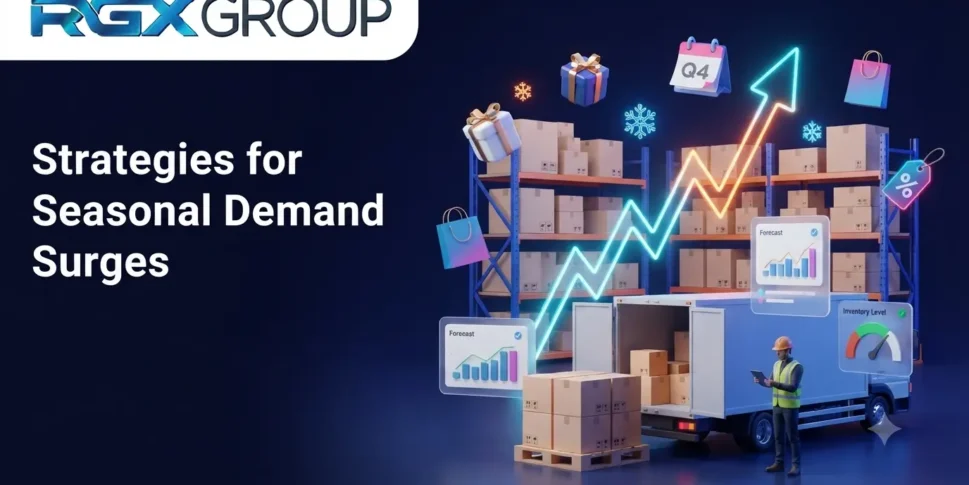
Seasonal fluctuations can change an Amazon business very quickly. Some items that move consistently throughout the year might suddenly see a surge in purchases during a holiday, sale or weather condition that drives shopping. Failure to prepare for these changes can lead to stockouts, excess inventory and limited fulfillment capabilities at the wrong time of year.
Start With Historical Sales Data
Effective Amazon FBA inventory forecasting begins with past performance. Reviewing data from past years for the same season and modifying it according to the price, marketing, reviews and demand is critical.
The goal isn’t simply to send more inventory. It is to identify which products deserve additional stock and determine when that inventory needs to arrive. Amazon’s inventory management guidance also highlights the importance of monitoring sales patterns and planning replenishment around expected demand.
Build a Buffer Without Overbuying
A reasonable safety buffer can protect against unexpected demand spikes or supplier delays. However, excessive inventory can tie up capital and increase storage expenses.
For Amazon Q4 inventory planning, consider manufacturers’ lead times, the historical sold-out tendency of goods, promotional strategies, and demand forecasts should be taken into consideration.
Watch Capacity and Restock Limits
Amazon FBA restock limits and capacity considerations should be part of your planning process. Waiting until demand has already increased can leave too little time to move inventory into fulfillment centers.
Regularly reviewing available capacity and current inventory helps sellers identify potential constraints early. This becomes particularly important before major shopping events, when fulfillment networks can experience higher demand.
Prepare Before the Rush
A simple FBA holiday prep checklist can include reviewing forecasts, confirming supplier timelines, checking inventory levels, identifying slow-moving stock, and scheduling replenishment shipments early.
For sellers developing an Amazon FBA seasonal products strategy, the focus should be on matching inventory to expected demand rather than maximizing the amount of stock stored at Amazon.
As catalogs and seasonal sales volumes grow, RGX Group can help businesses evaluate fulfillment and inventory processes so they can approach peak periods with a more structured operational plan.

