
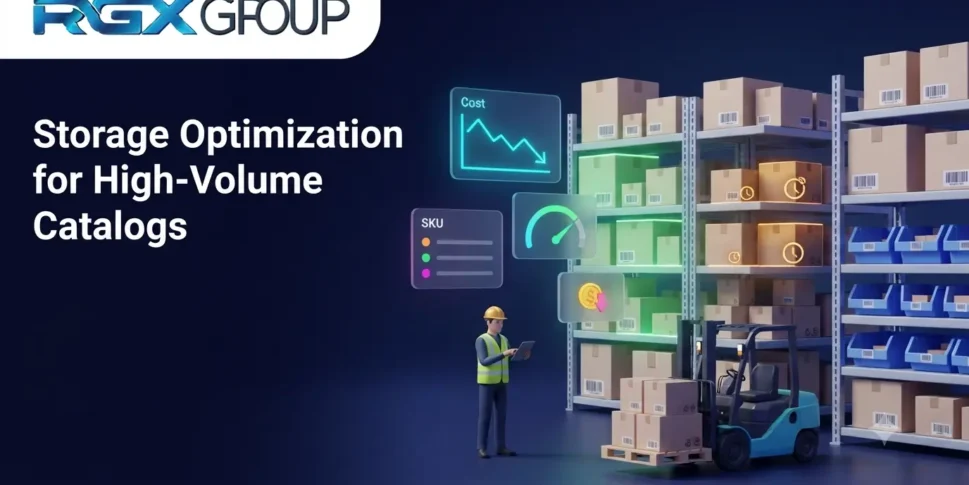
Managing storage becomes increasingly complex as an Amazon seller’s product catalog grows. More SKUs mean more inventory decisions, and slow-moving products can quickly increase carrying costs. A structured approach to Amazon FBA inventory optimization can help sellers maintain availability without filling valuable warehouse space with stock that is unlikely to sell soon.
Start With Inventory-Level Data
High-volume catalogs require more than simply tracking total units. Review sales velocity, seasonality, historical demand, and inventory turnover at the SKU level. The Amazon inventory performance index can also provide useful signals about how efficiently inventory is being managed.
Products with consistently low sales should be reviewed before additional units are sent to fulfillment centers. Meanwhile, fast-moving products need enough stock to avoid unnecessary replenishment delays.
Understand Amazon FBA Storage Costs
Storage expenses can become significant when inventory remains in fulfillment centers for extended periods. Sellers should monitor Amazon FBA storage fees alongside other inventory-related charges.
The Amazon FBA aged inventory surcharge is a crucial aspect for slow-moving products. It adds to the costs associated with inventory management and necessitates the regular checking of stock levels.
Moreover, sellers need to know how Amazon FBA storage limits will impact their replenishment strategies. The decision to send inventory without considering the available storage space can bring about a number of operational challenges, while sending in insufficient inventory may lead to being out of stock.
Amazon recommends monitoring inventory performance by reducing excess inventory, improving sell-through, fixing stranded listings, and keeping popular products in stock. (Source)
Practical Ways to Reduce Storage Costs
Knowing how to reduce Amazon FBA fees starts with improving inventory accuracy and forecasting. Consider:
- Adjusting reorder quantities based on actual sales velocity.
- Identifying slow-moving SKUs early.
- Running promotions or other clearance strategies for excess stock.
- Removing inventory that is unlikely to sell soon, or moving it to lower-cost bulk storage outside Amazon.
- Reviewing seasonal products before demand declines.
These steps can help reduce FBA storage costs while keeping higher-demand products available.
Plan for Different Amazon Markets
When selling products through different marketplaces, retailers need to review their warehousing charges independently. For example, the FBA Amazon Canada fees and other marketplaces fees are not necessarily the same. By considering the demand, storage costs and sales speeds on various marketplaces, companies can ascertain where their stock should be held.
A more disciplined approach to forecasting and replenishment can also reduce reliance on long-term storage. Monitoring the Amazon FBA long-term storage fee implications of aging inventory gives sellers another reason to act before excess stock becomes expensive.
For businesses managing large catalogs, RGX Group can provide practical guidance around inventory and fulfillment considerations, helping sellers make more informed decisions as their Amazon operations scale.

