
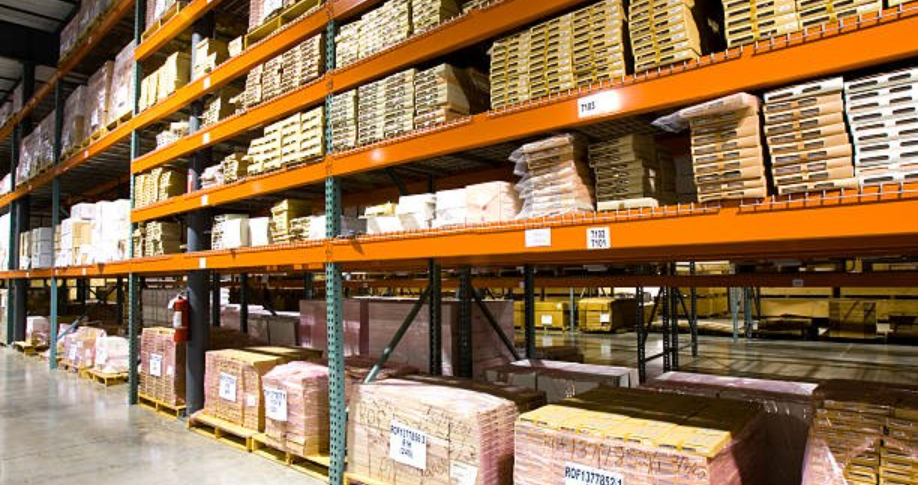
In the case of in-house kitting, a business is responsible for occupying the space, equipment, workforce, and the daily operations. In the beginning, doing it ourselves may seem to be the easiest and least expensive system but the cost is realized in the later part of the time. Warehousing and distribution within your premises involve rent, utilities, security, and maintenance in addition to kitting itself. Fixed overhead does not change with a decreased order volume; thus, in-house kitting will be costly during downturns.
In addition to physical expenses, in-house kitting occupies internal employees who might be selling, marketing, or developing their product line. The workload with training, supervising, and quality control, and any error in kitting, directly influences customer satisfaction. You have to invest in additional space and labor in case your business needs more capacity; you pay the same amount for floor space and wages when demand decreases. The highest untold cost of in-house kitting services to many a brand is the opportunity cost of time and money to go elsewhere in warehousing and distribution strategy.
What You Actually Pay for In-House
There are a number of obvious costs associated with in-house-kitting:
- Pickers, packers, quality checkers, and supervisors labor.
- Specific area to stage kits, house components, and packing lines.
- Equipment such as packing tables, scales, barcode scanners, tape machines, and packaging.
- IT systems to support tracking inventory and managing kitting orders, and an accuracy report.
- Continued training and oversight to maintain the minimum possible error and streamline work.
Due to these noticeable expenses, there is also a capacity risk in the businesses. When sales increase, you require increased area and additional trained personnel in a hurry, and that is both time and money-consuming. With a slowdown in sales, you incur the same expenses. This renders in-house kitting less predictable and frequently more costly than it initially seems to be the case when companies experience uneven demand or seasonal demand.
How 3PL Kitting Changes the Cost Model
3PL kitting moves a good number of these fixed costs to a variable model. You do not have to spend money on unused space and on idle staff, but rather per order or per kit. Warehousing and distribution: 3PL fulfillment services in GTA are optimally geared to a bigger operation than to absorb a significant portion of the overhead of your own business. This implies that you get access to skilled labor, efficient designs, and sophisticated technology without having to install it.
A 3PL warehouse GTA facility typically provides shared space, shared labor, and shared systems with several clients. According to the volume of your orders, you increase or decrease. The 3PL is able to accommodate additional shifts and overtime or additional labor during peak season, and this will be found in the cost agreed upon per-kit or per-order. There are also low volumes where you only pay on the quantity shipped. This adaptability is among the key factors that make brands in the Greater Toronto Area prefer 3PL kitting as opposed to constructing their own in-house kitting floor.
Cost Comparison: In-House vs 3PL
The key structural difference is the person who incurs the fixed costs:
- In-house kitting: You have the plant, equipment, and staff, and you can capitalize on this even with lower volumes.
- 3PL kitting: You are charged according to your activity,y and the 3PL manages most of the fixed costs, which require warehousing and distribution.
On a small, consistent volume, in-house kitting can appear cheaper in unit cost, but depending on SKUs and the complexity of the kit, the unit cost can tend to increase because of re-training, re-tooling, and overhead costs. GTA 3pl fulfillment services in GTA distribute such fixed costs among numerous clients, allowing their per-kit price to remain competitive and, at the same time deploy professional labor and quality controls.
There is also the reduction of hidden costs by the 3PL partners. Their responsibility is to do capacity planning, shift scheduling and overtime. A lot of 3PL warehouse GTA vendors provide combined warehousing and distribution, thus the kits do not undergo any additional hand-offs. This lessens the time of handling, reduces the risk of damage during handling, and also accelerates the delivery.
Final Thoughts
The combined cost of kitting and increased reliability and speed could be reduced through 3PL fulfillment services in the GTA and a 3PL warehouse partner in the GTA, as applied by many brands within the GTA region. In the case of in-house vs outsourced kitting, you should think beyond the unit price and fixed costs, labor, flexibility, quality, and timing.
When you continue all kitting with the help of your business, evaluate a 3PL test on one line or campaign. The statistics frequently indicate that outsourcing results in a decrease in cost, an increase in service, and it allows your team to concentrate on growth and not on packing stations.
Looking to Optimize Your Kitting and Fulfillment Costs?
Get expert guidance on scaling your operations with efficient 3PL kitting solutions.
Contact our team today to streamline your warehousing and distribution strategy.

